

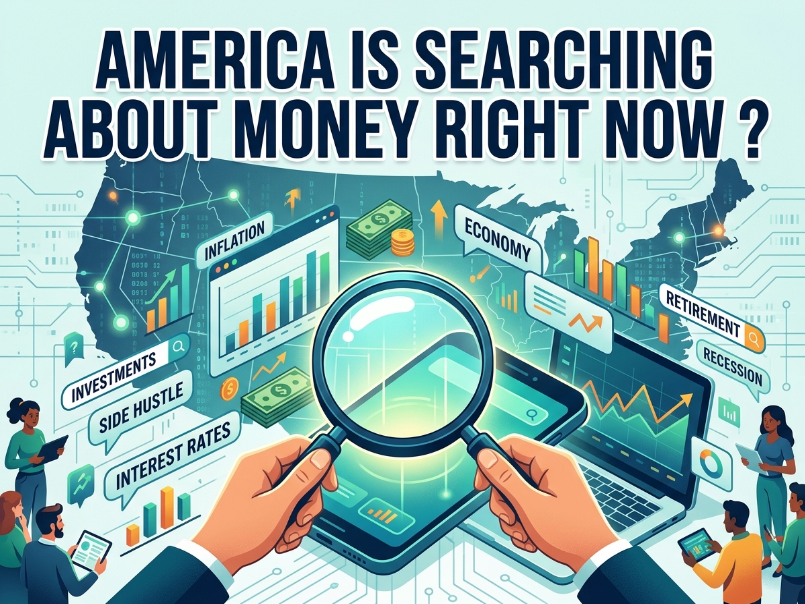
When you want to know what people really care about, you follow their searches, not their speeches. In the United States, Google Trends has become a real-time X-ray of the public mood about money, markets, and the economy. By combining those search patterns with the latest finance news, we can see exactly what’s worrying — and motivating — American households today.
Inflation and cost-of-living anxiety
Even though headline inflation has cooled from its peak, Americans are still typing terms like “inflation,” “cost of living,” and “why is everything so expensive” into Google in huge numbers. This sustained search interest shows that people still feel the squeeze in their daily budgets, especially on rent, groceries, and utilities.
At the same time, finance news outlets in the US continue to track every new inflation data release because markets move instantly when numbers surprise to the upside or downside. The combination of elevated search interest and constant news coverage keeps inflation at the center of the US financial conversation.
High-yield savings and CD rates boom
One of the biggest shifts in Google’s finance category is the surge in searches for “high-yield savings accounts,” “CD rates,” and “best bank interest rates.” After years of near-zero interest, higher rates have turned cash into a real asset class again for many US savers.
Americans are also searching for “is my bank safe” and “FDIC insurance limit,” showing that safety still matters as much as returns. This mix of curiosity and caution is pushing people to compare banks, split deposits, and move money into accounts that pay more while still being insured.
Stock market hype and fear cycles
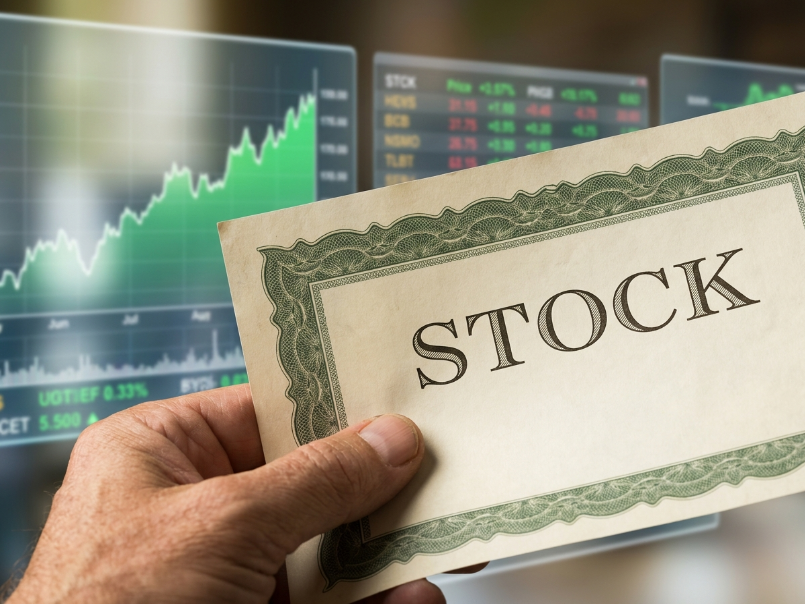
Searches like “stocks to buy now,” “stock market today,” and “why is the market down” spike whenever Wall Street makes big moves. Major US finance outlets such as Reuters, CNBC, and the Wall Street Journal all highlight how quickly investor sentiment flips between optimism and fear as new economic data and earnings reports arrive.
Google Trends data shows that interest in large US tech and chip companies surges during rally days, while “recession,” “market crash,” and “safe investments” climb when volatility spikes. This pattern confirms that many retail investors are still trading with emotion, chasing hot names during rallies and searching for protection when prices fall.
Debt stress: credit cards and loans
As prices rise faster than wages for many families, searches related to “credit card debt,” “debt consolidation,” and “how to improve credit score” are trending upward in the US. This reflects real pressure: higher interest rates make carrying balances more expensive, and late payments can damage credit scores quickly.
Americans are also googling “personal loan vs credit card” and “balance transfer offers” as they look for ways to manage or refinance their debt. News coverage from major finance sites frequently highlights rising delinquency rates and the growing cost of borrowing, adding to the urgency people feel about cleaning up their balance sheets.
Jobs, wages, and side hustles
In a changing labor market, US users often search for “jobs near me,” “remote jobs,” and “side hustle ideas” alongside financial topics. This overlap shows that people don’t just want to cut costs — they are actively looking for new income sources to keep up with inflation and rising living expenses.
Financial news pages regularly connect job market data to stock market movements, explaining how strong employment can support consumer spending but also keep interest rates higher for longer. That macro picture filters down to individuals through search, as people ask whether now is a good time to switch careers, negotiate pay, or start a side business.






Leave a Reply