

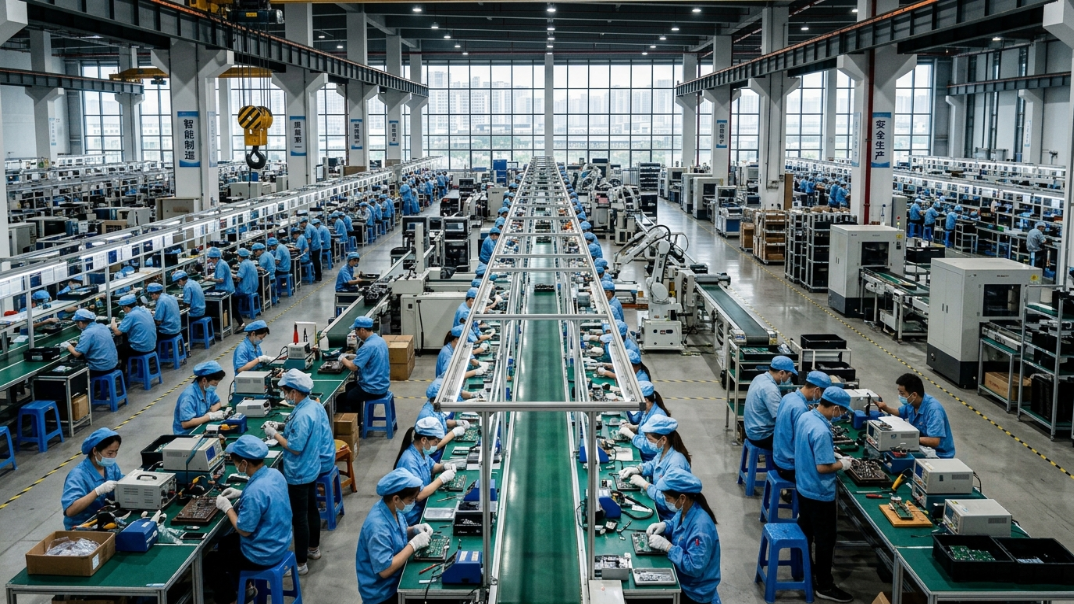
China Factory Activity Stalls in May 2026 – A Critical Red Flag for the Economy
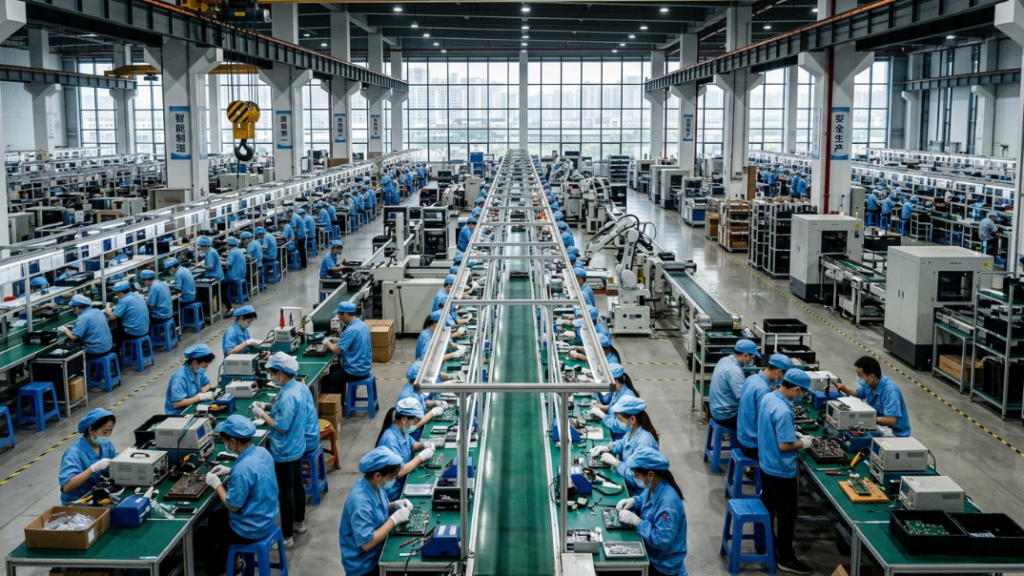
China’s manufacturing sector lost momentum in May, delivering a worrying signal about the health of the world’s second-largest economy.
According to data released by the National Bureau of Statistics (NBS) on Sunday, the official Manufacturing Purchasing Managers’ Index (PMI) fell to 50.0 in May from 50.3 in April. This reading sits exactly at the crucial 50-point threshold that separates expansion from contraction.
Economists polled by Bloomberg and Reuters had expected the index to hit exactly 50, meaning the data came in line with forecasts but still marks a notable slowdown after two months of modest growth.
Key Highlights from May 2026 PMI Report
- Output Growth Slowed: The production sub-index eased to 51.2 (from 51.5)
- New Orders Turned Negative: Dropped to 49.9 (from 50.6)
- Export Orders Weakened: Fell to 48.6 (from 50.3)
- Employment Remained Soft: Stood at 48.6
- Input Costs Stayed Elevated: At 60.5, though slightly lower than April’s 63.7
- Business Sentiment: Eased modestly but remained in positive territory
Why Is China’s Factory Activity Struggling?
Several factors are weighing on Chinese manufacturers:
- Weak Domestic Demand — Consumer spending and domestic orders remain subdued despite earlier policy support.
- Middle East Conflict Impact — Ongoing disruptions, particularly around energy routes, have pushed up input costs for raw materials and logistics.
- Holiday Disruptions — A five-day break in May affected production schedules and supply chains.
This PMI reading comes at a sensitive time as Beijing aims to meet its full-year growth target amid a complex global environment of trade tensions, geopolitical risks, and shifting monetary policies.
Market and Investment Implications
- For Global Investors: A stagnating Chinese manufacturing sector could pressure commodity prices (especially industrial metals and oil), weigh on multinational earnings with heavy China exposure, and support a risk-off sentiment in Asian markets.
- Currency & Bonds: Persistent weakness may keep pressure on the Chinese Yuan and influence expectations around further stimulus from the People’s Bank of China.
- Stock Markets: Sectors like technology, industrials, and materials could face near-term headwinds, while defensive plays or stimulus beneficiaries may outperform.
What’s Next for China’s Economy?
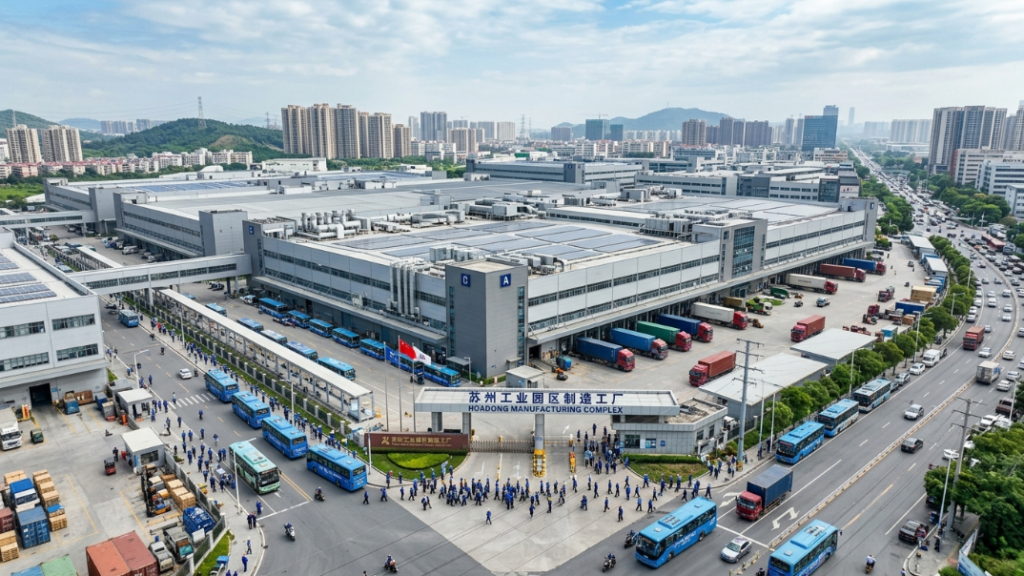
Analysts will now watch closely for:
- The Caixin Manufacturing PMI (private sector survey, usually released shortly after)
- Upcoming stimulus measures from Chinese policymakers
- Q2 GDP data and hard economic indicators in coming weeks
Bottom Line: While the PMI has not yet slipped into outright contraction, the loss of momentum in new orders and exports is concerning. Markets will be looking for clear signs of stronger policy support in the coming months to prevent a deeper slowdown.
Have you invested in China-related assets? How do you see this data impacting your portfolio? Share your thoughts in the comments below.
Related Articles:
- Understanding China’s PMI: What Investors Need to Know
- Impact of Geopolitical Risks on Commodity Markets
- Best China ETFs to Watch in 2026
Sources: National Bureau of Statistics of China, Bloomberg, Reuters












Leave a Reply