

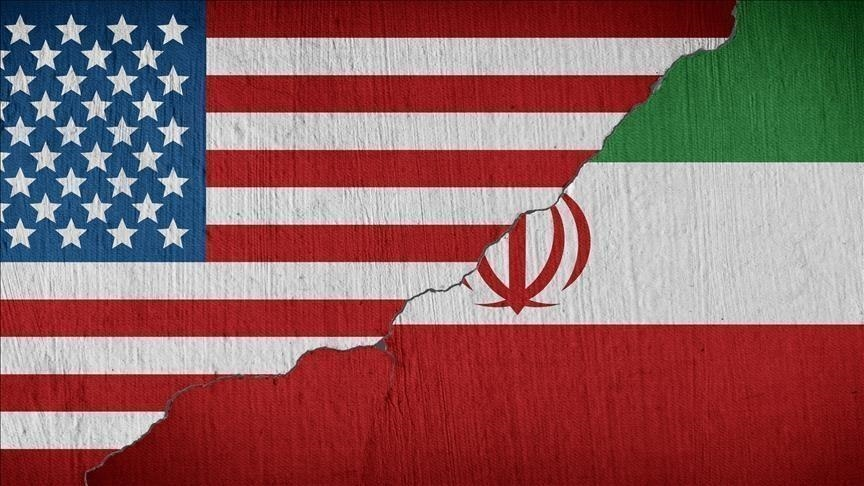
The relationship between the United States and Iran is one of the most enduring and volatile rivalries in modern geopolitics. What began as a close alliance in the mid-20th century has transformed into decades of hostility marked by sanctions, proxy conflicts, nuclear tensions, and, most recently, direct military confrontation in 2026. This blog post explores the historical roots, core issues, and current state of US-Iran relations.
Historical Background: From Allies to Adversaries
US-Iran ties were once strong. During the Cold War, the US supported Shah Mohammad Reza Pahlavi as a key ally against Soviet influence. In 1953, the CIA and British intelligence backed a coup that overthrew Iran’s democratically elected Prime Minister Mohammad Mosaddegh, who had nationalized the oil industry. This event sowed deep resentment among many Iranians, who viewed it as foreign interference.
The turning point came with the 1979 Iranian Revolution. The Shah was overthrown, and Ayatollah Ruhollah Khomeini established the Islamic Republic. Iranians saw the US as a supporter of the Shah’s authoritarian rule. In November 1979, Iranian students seized the US Embassy in Tehran, holding 52 Americans hostage for 444 days. This crisis severed diplomatic relations, which have never been restored.
Tensions persisted through the 1980s. The US tilted toward Iraq during the Iran-Iraq War (1980–1988), and incidents like the downing of Iran Air Flight 655 by a US warship deepened mistrust. Iran has long accused the US of imperialism, while the US has labeled Iran a state sponsor of terrorism since 1984.
Core Issues Fueling the Conflict
1. Iran’s Nuclear Program This is the central flashpoint. The US and its allies fear Iran is pursuing nuclear weapons, despite Iran’s claims that its program is peaceful. The 2015 Joint Comprehensive Plan of Action (JCPOA, or Iran nuclear deal) under the Obama administration limited Iran’s enrichment activities in exchange for sanctions relief. President Trump withdrew the US from the deal in 2018, reimposing “maximum pressure” sanctions. Iran responded by exceeding enrichment limits.
Subsequent negotiations failed, leading to heightened concerns about Iran’s breakout time to weapons-grade uranium.
2. Regional Influence and Proxy Wars Iran supports a network of allied groups—often called the “Axis of Resistance”—including Hezbollah in Lebanon, Hamas in Gaza, the Houthis in Yemen, and various militias in Iraq and Syria. The US views this as destabilizing, enabling attacks on Israel, US forces, and allies. Iran sees these relationships as defensive against US and Israeli dominance.
3. Sanctions and Economic Warfare US sanctions have severely impacted Iran’s economy, targeting oil exports, banking, and more. Iran argues these are collective punishment; the US says they are necessary to curb Iran’s malign activities.
4. Ideological and Human Rights Differences Iran’s anti-American rhetoric (“Death to America”) and theocratic governance clash with US values. The US criticizes Iran’s human rights record, treatment of women, and suppression of protests. Iran portrays the US as a global oppressor supporting Israel.
Escalation to Direct Conflict in 2026
Tensions boiled over in early 2026. After failed negotiations, the US and Israel launched large-scale strikes on Iran on February 28, targeting nuclear sites, military infrastructure, and leadership. Supreme Leader Ayatollah Ali Khamenei was killed in the attacks. Iran retaliated with missile strikes, proxy actions, and disruption of the Strait of Hormuz, causing global energy shocks.
A temporary two-week ceasefire was announced on April 7, 2026, but broader peace talks—mediated by countries like Pakistan—have faced major hurdles. Key sticking points include Iran’s nuclear enrichment, ballistic missiles, sanctions relief, regional de-escalation, and security guarantees. As of May 2026, negotiations continue amid fragile truces, with risks of renewed fighting.
Why Does It Matter?
The US-Iran rivalry affects global oil prices, security in the Middle East, nuclear non-proliferation, and the risk of wider wars involving Israel, Gulf states, and beyond. Disruptions in the Strait of Hormuz (through which ~20% of global oil passes) demonstrate the economic stakes.
Looking Ahead
A lasting resolution would likely require compromises on nuclear limits, sanctions, and regional behavior—issues that have eluded diplomats for decades. Some advocate renewed diplomacy; others favor sustained pressure. The human cost—civilian deaths, displacement, and economic hardship—underscores the need for de-escalation.
The “issue” between the US and Iran is not a single dispute but a complex web of history, security fears, ideology, and power politics. As negotiations unfold in 2026, the world watches to see whether diplomacy can prevail over confrontation.
This article provides an overview based on historical facts and recent developments. Geopolitical situations evolve rapidly—stay informed through reliable sources.


Leave a Reply