

GEOPOLITICS | MAY 7, 2026 | 9 MIN READ
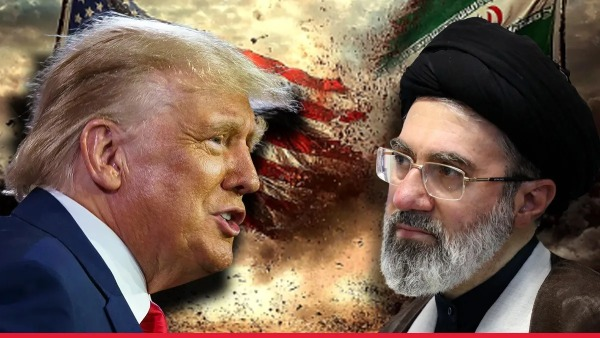
Decades of mistrust, nuclear ambition, proxy wars, crippling sanctions — and now an active conflict reshaping the Middle East. Here’s everything you need to know.
STATUS (May 2026): Fragile ceasefire in place since April 7. Negotiations ongoing via Pakistani mediation. Strait of Hormuz remains contested.
Few geopolitical rivalries have shaped the modern world as profoundly as the one between the United States and Iran. What started as a rupture in 1979 has evolved into a multi-decade conflict touching nuclear weapons, oil markets, regional proxy wars, and — as of early 2026 — open military confrontation. To understand where things stand today, you need to understand where they began.
A Friendship Turned Into Enmity
It wasn’t always hostile. For decades, the United States and Iran were close allies. Iran under Shah Mohammad Reza Pahlavi was one of Washington’s most important partners in the Middle East — a bulwark against Soviet influence, a major oil supplier, and a buyer of American weapons and technology.
That all collapsed in 1979. The Islamic Revolution overthrew the Shah and installed Ayatollah Khomeini as Supreme Leader. Just months later, Iranian students stormed the US Embassy in Tehran and held 52 Americans hostage for 444 days. The United States severed diplomatic relations — and they have never been restored.
That foundational trauma set the tone for everything that followed: deep mutual suspicion, zero formal communication, and a relationship conducted largely through intermediaries, threats, and occasional back-channel negotiations.
The Core Issues Dividing Them
1. IRAN’S NUCLEAR PROGRAM
This is the central flashpoint of the 21st century rivalry. Iran has long insisted it is developing nuclear technology for peaceful energy purposes. The United States, Israel, and much of the Western world have never fully believed that. International inspectors have found stockpiles of highly enriched uranium with no credible civilian explanation, and by late 2024, the UN’s nuclear watchdog reported enrichment approaching weapons-grade levels.
The 2015 nuclear deal — the Joint Comprehensive Plan of Action (JCPOA) — was supposed to solve this. Iran agreed to strict limits on its nuclear activities in exchange for sanctions relief. It worked, for a time. But in 2018, President Trump withdrew the US from the deal, calling it inadequate and reimposing devastating sanctions. Iran gradually walked back its commitments. The deal effectively collapsed, and every subsequent attempt to revive it has failed.
“The heart of the Iran deal was a giant fiction: that a murderous regime desired only a peaceful nuclear energy program.” — President Trump, 2018
2. BALLISTIC MISSILES AND REGIONAL PROXIES
Even if Iran’s nuclear intentions were civilian, the United States had other grievances. Iran has built one of the most extensive ballistic missile programs in the Middle East — missiles capable of reaching Israel, US military bases across the region, and potentially further. The JCPOA never addressed missiles, and Washington has always seen this as a fatal flaw.
Iran has also spent decades building a network of armed proxy groups across the region: Hezbollah in Lebanon, Hamas in Gaza, the Houthis in Yemen, and various militias in Iraq and Syria. The US views this as deliberate destabilization. Iran views it as legitimate resistance to American and Israeli dominance.
3. SANCTIONS AND ECONOMIC WARFARE
The United States has used economic pressure as its primary tool against Iran for decades. Sanctions have crippled the Iranian economy — driving up inflation, collapsing the currency, and limiting access to global markets. When the Trump administration re-imposed sanctions in 2018 and reinstated a ‘maximum pressure’ campaign in 2025, the Iranian rial entered a freefall. By December 2025, the Treasury Secretary called the currency’s collapse the strategy’s ‘grand culmination.’
KEY FIGURES AT A GLANCE
| Strait of Hormuz ~20% of world’s oil | Enriched Uranium 400+ kg at 60% | US Troops Nearby ~50,000 in region | Iran Economy Heavily sanctioned |
How It Escalated to Open War
The current crisis didn’t erupt overnight. It is the product of years of escalating pressure, failed diplomacy, and miscalculation on multiple sides.
June 2025
Israel launched a 12-day military campaign against Iran, targeting air defenses and nuclear infrastructure. The US struck underground nuclear facilities using bunker-buster bombs — framed as a one-off, limited mission.
September 2025
The UN reimposed sanctions on Iran via the ‘snapback’ mechanism, freezing assets, suspending arms deals, and further battering the economy.
December 2025 – January 2026
Iran’s currency collapsed. Widespread protests erupted across the country. Security forces killed an estimated 30,000 people in a brutal crackdown — the worst in Iran since 1979.
February 2026
Indirect nuclear talks in Geneva showed surprising progress — Iran indicated it would ‘never’ develop a nuclear weapon. But Trump said he was ‘not thrilled.’ Negotiations collapsed.
February 28, 2026
The United States and Israel launched surprise airstrikes on Iran, targeting military sites, killing several senior officials including Supreme Leader Khamenei, beginning an open military conflict.
April 7–8, 2026
After over five weeks of fighting — including Iranian counter-strikes on Israel, US bases, and Gulf states — both sides agreed to a ceasefire. The Strait of Hormuz remains contested.
May 2026 (ongoing)
Pakistan mediates fragile talks. The US proposed a one-page memo: Iran ships its enriched uranium to the US and pledges not to operate underground facilities. Iran is still reviewing.
Why the Strait of Hormuz Matters So Much
One of the most immediate consequences of the 2026 conflict has been the closure of the Strait of Hormuz — the narrow waterway between Iran and Oman through which roughly 20 percent of the world’s oil flows every day. Iran closed the strait in retaliation for the US strikes. The US responded with a counter-blockade targeting ships heading to Iranian ports. The result: fuel shortages in parts of Asia, global commodity price shocks, and a dangerous game of brinkmanship at sea.
Reopening the strait has become the single most urgent diplomatic priority. France, the UK, and others have called for a multinational mission to restore freedom of navigation. Iran wants reparations and the lifting of all blockades as preconditions. As of early May 2026, neither side has fully blinked.
What Happens Next
The ceasefire is holding — for now. Pakistani mediators are shuttling between Washington and Tehran, and there are signs of cautious movement. Iran’s foreign minister has described talks as making progress. Trump has expressed optimism, though also warned of resumed bombing if a deal isn’t reached.
The core demands remain far apart. The US wants Iran to surrender its enriched uranium stockpile, abandon underground nuclear facilities, and open the strait unconditionally. Iran wants sanctions lifted, frozen assets returned, and what it calls reparations for the strikes. And behind all of it looms the deeper question that has never been resolved: whether these two countries can ever find a stable, lasting accommodation — or whether decades of mistrust have made that impossible.
The answer to that question will shape the Middle East, global energy markets, and international security for years to come.
This article is based on reporting from multiple international sources as of May 7, 2026. The situation remains rapidly evolving.











Leave a Reply