



A financial plan is a roadmap for your money.
Without a plan, financial decisions often become reactive and emotional.
People may overspend, ignore savings, delay investing, or accumulate debt without realizing the long-term consequences.
A strong financial plan helps align money decisions with life goals.
Whether you want to buy a house, retire early, travel, start a business, or simply reduce financial stress, a financial plan creates direction.
What Is a Financial Plan?
A financial plan is a structured strategy for managing:
- Income
- Spending
- Savings
- Investments
- Insurance
- Retirement goals
- Taxes
- Debt
Good financial planning is flexible.
Your plan should evolve as your life changes.
Why Financial Planning Matters
Financial planning helps you:
- Clarify goals
- Reduce financial anxiety
- Build wealth systematically
- Prepare for emergencies
- Avoid major financial mistakes
- Improve long-term decision-making
People with clear financial goals often make better daily financial choices.
Step 1: Define Your Financial Goals
Clear goals create motivation and direction.
Short-Term Goals
Examples:
- Build emergency savings
- Pay off credit card debt
- Save for vacation
Medium-Term Goals
Examples:
- Buy a home
- Start a business
- Save for education
Long-Term Goals
Examples:
- Retirement
- Financial independence
- Generational wealth
Goals should be measurable and realistic.
Step 2: Assess Your Current Financial Situation
You need a clear picture of your finances before creating a plan.
Calculate Net Worth
Net worth equals:
Assets minus liabilities.
Assets may include:
- Savings
- Investments
- Real estate
- Vehicles
Liabilities include:
- Loans
- Mortgages
- Credit card balances
Tracking net worth over time helps measure progress.
Step 3: Create a Spending Plan
A spending plan ensures money flows toward priorities.
Essential Categories
Common budget categories include:
- Housing
- Transportation
- Food
- Insurance
- Debt payments
- Savings
- Entertainment
A budget should support your goals rather than restrict your life unnecessarily.
Step 4: Build Emergency Savings
Emergency savings prevent financial setbacks from becoming disasters.
Most experts recommend saving:
- 3 to 6 months of living expenses
This creates stability during:
- Job loss
- Medical emergencies
- Unexpected repairs
Step 5: Eliminate High-Interest Debt
Debt can delay wealth building.
High-interest consumer debt is especially dangerous.
Debt Repayment Strategies
Snowball Method
Pay smallest debts first.
Avalanche Method
Pay highest-interest debts first.
Both approaches can work effectively.
Step 6: Develop an Investment Strategy
Investing is essential for long-term wealth creation.
Important Investment Principles
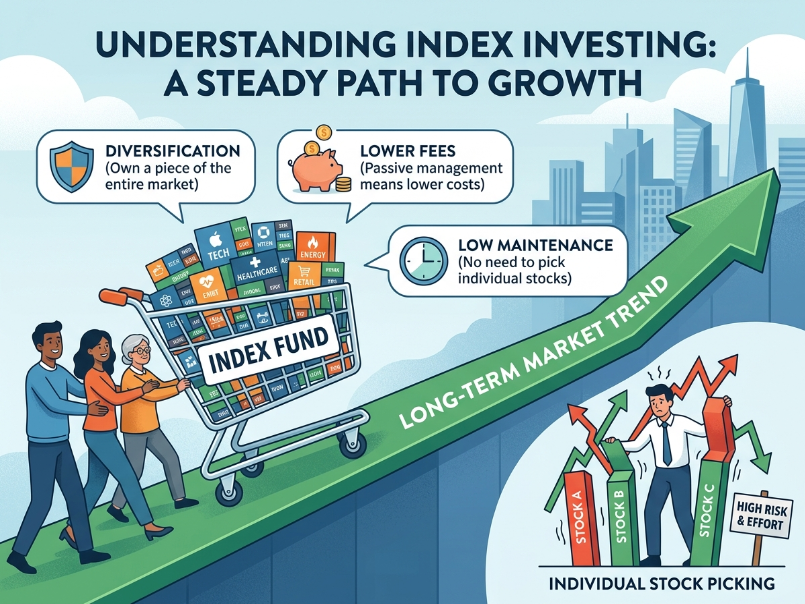
- Diversification
- Long-term thinking
- Consistent contributions
- Risk management
Asset Allocation
Asset allocation refers to how investments are divided among:
- Stocks
- Bonds
- Cash
- Real estate
Allocation should match your:
- Age
- Goals
- Risk tolerance
- Timeline
Step 7: Plan for Retirement
Retirement planning should begin as early as possible.
The earlier you start, the more compounding helps.
Retirement Planning Questions
Consider:
- Desired retirement age
- Estimated living expenses
- Healthcare costs
- Inflation
Many retirement calculators can estimate savings needs.
Step 8: Protect Your Finances With Insurance
Insurance reduces financial risk.
Important policies may include:
- Health insurance
- Disability insurance
- Life insurance
- Property insurance
Insurance protects both income and assets.
Step 9: Understand Taxes
Taxes significantly impact wealth.
Tax-efficient planning may include:
- Retirement contributions
- Capital gains management
- Tax-loss harvesting
- Business deductions
Professional tax advice may be valuable for complex situations.
Step 10: Review Your Plan Regularly
Financial planning is ongoing.
Life changes may include:
- Marriage
- Children
- Career changes
- Economic conditions
- Health issues
Reviewing finances quarterly or annually helps maintain alignment.
Common Financial Planning Mistakes
No Clear Goals
Without goals, financial decisions lack direction.
Ignoring Retirement
Waiting too long makes retirement planning more difficult.
Underestimating Expenses
Accurate budgeting improves planning quality.
Taking Excessive Risk
Risk should match financial objectives.
Neglecting Insurance
Unexpected events can create severe financial damage.
Financial Planning for Different Life Stages
In Your 20s
Focus on:
- Building habits
- Investing early
- Career growth
In Your 30s
Focus on:
- Family planning
- Home ownership
- Increasing investments
In Your 40s and 50s
Focus on:
- Retirement acceleration
- Debt reduction
- Wealth preservation
In Retirement
Focus on:
- Income stability
- Healthcare planning
- Estate planning
Final Thoughts
A financial plan gives your money purpose.
Instead of reacting to financial problems, you begin proactively building the future you want.
The best financial plans are:
- Simple
- Flexible
- Realistic
- Consistent
Financial success rarely depends on one perfect decision.
It usually comes from hundreds of smart decisions repeated over time.










Leave a Reply