



Financial success is rarely created by one massive breakthrough.
More often, it comes from small habits repeated consistently over many years.
Daily financial behaviors shape long-term outcomes.
People who develop strong money habits often experience:
- Lower financial stress
- Better savings
- More investment growth
- Greater financial freedom
This article explores practical money habits that support long-term financial success.
Habit 1: Spend Less Than You Earn
This is the foundation of financial stability.
No budgeting strategy or investment plan works if spending consistently exceeds income.
Why This Habit Matters
Living below your means creates:
- Savings opportunities
- Investment capital
- Emergency protection
- Reduced stress
This does not mean avoiding enjoyment.
It means aligning spending with priorities.
Habit 2: Track Your Spending
Many people underestimate small recurring expenses.
Tracking spending increases awareness.
Effective Tracking Methods
- Budgeting apps
- Spreadsheets
- Expense journals
- Banking tools
Awareness often improves financial decisions naturally.
Habit 3: Save Automatically
Automation removes emotional friction.
Automatic transfers help people save consistently.
Accounts to Automate
- Emergency savings
- Retirement accounts
- Investment accounts
Saving becomes easier when it happens automatically.
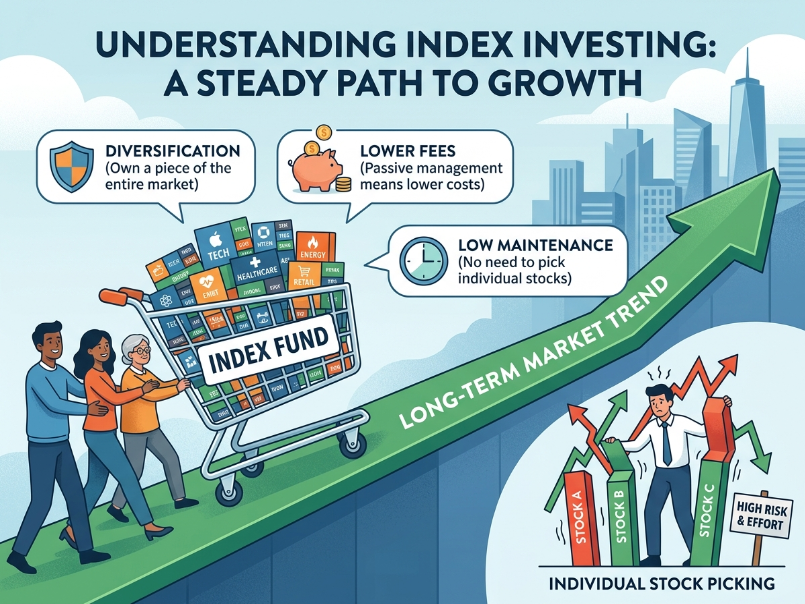
Habit 4: Invest Consistently
Consistent investing is one of the strongest wealth-building habits.
Benefits of Regular Investing
- Builds discipline
- Reduces market timing mistakes
- Encourages long-term thinking
Even small investments can compound significantly.
Habit 5: Avoid High-Interest Debt
High-interest debt can destroy financial progress.
Credit cards are useful tools when managed carefully.
However, carrying balances creates expensive interest costs.
Healthy Credit Habits
- Pay balances in full monthly
- Avoid unnecessary borrowing
- Maintain good credit scores
Habit 6: Build an Emergency Fund
Emergency funds provide financial resilience.
Unexpected events are inevitable.
Emergency savings reduce dependence on debt during difficult periods.
Emergency Fund Goal
Aim for:
- 3 to 6 months of essential expenses
Habit 7: Continue Learning About Money
Financial education compounds over time.
People who regularly study money often make better decisions.
Ways to Learn
- Books
- Podcasts
- Financial blogs
- Courses
- Reputable financial channels
Knowledge improves confidence and decision-making.
Habit 8: Set Financial Goals
Goals create motivation.
Clear goals improve focus and spending discipline.
Examples of Financial Goals
- Save $10,000
- Eliminate debt
- Invest monthly
- Buy a home
- Reach financial independence
Goals should be specific and measurable.
Habit 9: Avoid Lifestyle Inflation
As income increases, many people immediately increase spending.
This slows wealth building.
Examples of Lifestyle Inflation
- Luxury vehicles
- Expensive apartments
- Constant upgrades
- Impulse luxury spending
Increasing savings rates alongside income growth accelerates wealth creation.
Habit 10: Think Long Term
Long-term thinking improves financial outcomes.
Short-term emotions often lead to poor decisions.
Examples include:
- Panic selling investments
- Overspending for status
- Chasing trends
Patience supports better decision-making.
Habit 11: Review Finances Regularly
Financial reviews improve awareness.
Monthly reviews may include:
- Budget performance
- Savings progress
- Investment growth
- Debt reduction
Small adjustments prevent larger problems later.
Habit 12: Surround Yourself With Positive Financial Influences
Environment affects behavior.
Spending habits are often influenced by:
- Friends
- Family
- Social media
- Advertising
Choose influences that encourage responsible financial behavior.
Habit 13: Delay Impulse Purchases
Impulse spending damages budgets.
A simple delay strategy can reduce unnecessary purchases.
The 24-Hour Rule
Wait 24 hours before making non-essential purchases.
Many impulses disappear with time.
Habit 14: Protect Your Income
Income is your most valuable financial asset.
Protecting it matters.
Ways to Protect Income
- Develop skills
- Maintain insurance
- Continue learning
- Build professional networks
Career stability supports long-term financial success.
Habit 15: Focus on Progress, Not Perfection
Financial journeys are rarely perfect.
Unexpected setbacks happen.
Examples:
- Job loss
- Medical emergencies
- Market declines
- Family responsibilities
Consistency matters more than perfection.
The Psychology of Financial Success
Money management is deeply emotional.
Many financial decisions are influenced by:
- Fear
- Social pressure
- Stress
- Status comparison
Understanding emotional triggers improves financial behavior.
Why Small Habits Matter
Small habits compound over time.
Example:
Saving an extra $5 daily equals:
- $150 monthly
- $1,800 annually
- Tens of thousands over decades when invested
Tiny improvements create large long-term outcomes.
Common Habits That Hurt Financial Progress
Ignoring Budgets
Without awareness, overspending becomes easy.
Delaying Investing
Waiting reduces compounding time.
Constant Financing
Financing unnecessary purchases increases costs.
Emotional Spending
Stress and emotions often trigger impulsive purchases.
Final Thoughts
Financial success is usually built quietly.
It comes from:
- Consistent saving
- Smart investing
- Controlled spending
- Long-term thinking
- Financial discipline
Good money habits create stability, flexibility, and opportunity.
You do not need perfection to improve your finances.
You only need consistent action repeated over time.










Leave a Reply